
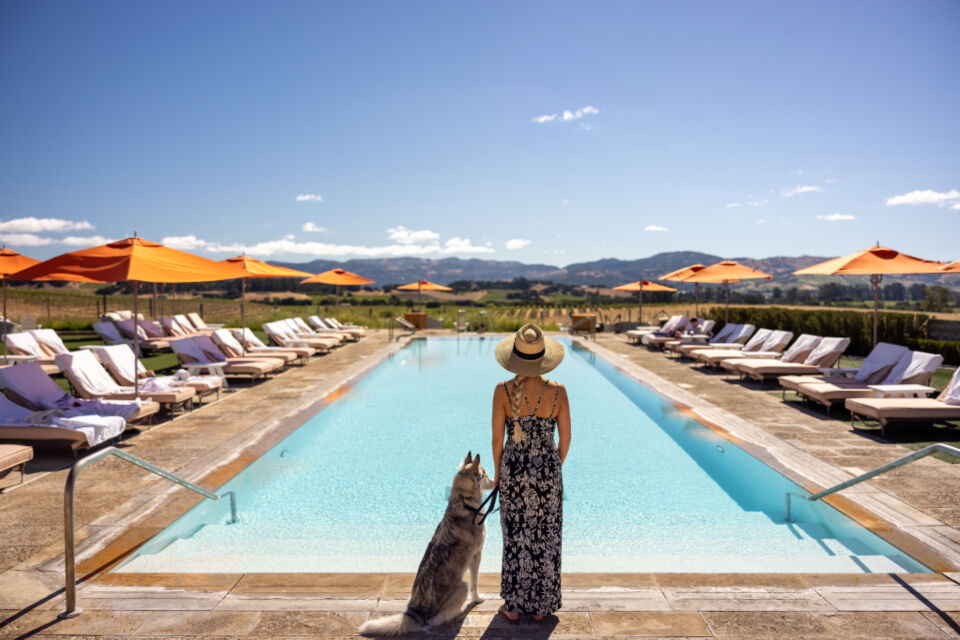
A pool changes how a whole garden works. The water is only one part of the picture. The paving, planting and fencing around it decide whether the space feels calm or crowded.
Good design starts before anyone digs. It balances safety, shade, sightlines and upkeep on a block that often has limited room. This article walks through those decisions in plain terms.
Start with the site and the rules
Pool barrier rules are set by each state and territory, and they change over time. Your local council or state building authority is the place to confirm what applies to your block. Landscape design for a pool has to work within those rules from the first sketch.
In Western Australia, a private swimming pool or spa that can hold water more than 30cm deep needs a safety barrier. That includes portable pools. The rules sit in the Building Regulations 2012 and the relevant Australian Standards. The state government sets out the basics on its pool and spa safety barrier requirements page.
That page makes two useful design points. Avoid placing other structures inside the pool area. Site the pool where it can be seen from the house. Those two choices shape the rest of the layout.
A barrier also has to restrict access from the street, from adjoining properties and from habitable buildings. Plan the gate position early. Paths can then lead to it naturally instead of being squeezed in later.
Keep climbable things away from the fence
Once the fence position is set, think about what will sit beside it. A child can use almost anything solid as a step. Plants and garden features are common culprits.
Queensland’s building regulator describes a continuous 900mm zone along the fence that a small child cannot climb. Its guidance on zones a child cannot climb also says the fence should be at least 1200mm above finished ground level. Other states use their own wording and measurements, so check the rule that applies to you.
The regulator also lists objects that a child could use to climb a pool fence. Many of them are ordinary garden items. The list includes the following:
- Barbecues and outdoor furniture
- Trees, shrubs and overhanging branches
- Pot plants
- Rockeries and raised garden beds
- Garden edging
- Steps, ledges and stairs
- Trampolines and other toys
- Air conditioning units, taps and pipework
In a design, this means pots, benches and feature rocks stay well back from the barrier. Beds along the fence sit at ground level. Branches within 900mm of the fence need trimming. The regulator notes that removing the plant can be better, because branches regrow quickly.
The ground matters too. Loose sand or mulch can be moved by children to open a gap of more than 100mm under the fence. Build the fence line on solid ground instead. Raised beds within 900mm of the fence should go. The alternatives are lowering the ground or raising the fence.
Choose plants that suit a pool edge
Plants near a pool get splashed and exposed to heat from the surrounding paving. They also drop things. Leaves, petals and fruit end up in the skimmer and the filter.
Pick plants with a tidy habit. Strappy foliage plants and low shrubs often suit this job. Keep large trees well back from the water and well back from the fence. Our guide to swimming pool care covers the regular upkeep that falls out of these choices.
Shade deserves its own thought. A pergola can give relief from summer sun. A deciduous vine over it lets in more light in winter. Keep any posts and cross beams clear of the barrier so they cannot become a climbing aid.
Plan the surrounds for movement and upkeep
Paving around a pool takes wet feet, furniture and plenty of foot traffic. Choose a surface that drains well and feels comfortable underfoot. Keep paths wide enough for two people to pass. Give the route from the house to the gate a clear, direct line.
Small blocks make every decision harder. If the pool takes most of the yard, the ideas in landscape design ideas for small properties apply directly. Compact planting, vertical screens and areas that serve more than one purpose all help. Our tips on maximising your outdoor space cover layout in more detail.
Think about the work you want to do each week. A pool already asks for regular attention. The garden around it should not double that load. Simple beds, mulched areas away from the fence and a short plant list keep things manageable, and our notes on low maintenance landscaping show how.
The gate needs special attention in the layout. The state government page notes that gates are the most common access point for children who have drowned. Common causes are gates propped open, faulty latches and gates that do not close properly. Leave the area around the gate clear so it can swing fully and latch every time.
Keep the barrier compliant over time
Gardens grow. A barrier that passed an inspection can fail later because a shrub has spread against it. Walk the fence line each season and look for new climbable growth.
In Western Australia, local governments inspect new pool barriers within 30 days of becoming aware that the pool is complete. They then carry out periodic inspections. The maximum interval between those is four years. Owners and occupiers are responsible for keeping the barrier compliant in between.
Other states run their own inspection systems. Each one sets its own timing and process. Check with your council or building authority for the schedule that applies to you.
Frequently asked questions
Can I plant trees near a pool fence?
Branches that a child could climb are a problem. Queensland’s regulator advises trimming any branches within 900mm of the fence, or removing the plant. Check the exact distance that applies in your state.
Do portable pools need a barrier in Western Australia?
The state government says its barrier requirements cover private pools that can hold water more than 30cm deep. That includes spa pools and portable pools. Some remote areas of the state are excluded.
How often are pool barriers inspected in Western Australia?
Local governments must inspect barriers periodically. The maximum interval is four years. A new pool is inspected within 30 days of the local government becoming aware it is complete.
Who do I ask about the rules for my property?
Start with your local council or your state building authority. They can confirm the current rules for your block. Those rules differ by state and change over time.
This article is general information only and is not legal advice. Pool safety laws differ by state and change. Speak with your local council or a qualified professional about your own property.